Wisconsin Hmong Association
Honoring Our Heritage, Preserving Our Story
Celebrating the history, traditions, and cultural identity of the Hmong people.
History & Migration
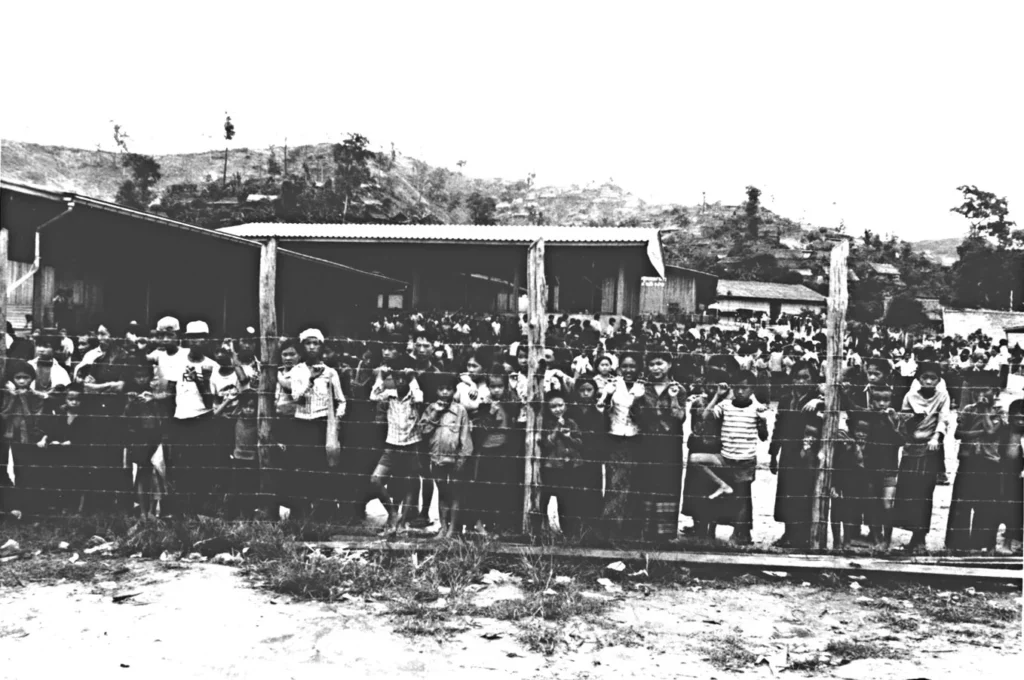
The Hmong are an ethnic group with roots in the mountainous regions of southern China, who migrated over centuries into Laos, Vietnam, Thailand, and Myanmar. During the Vietnam War era, many Hmong in Laos were recruited into the U.S.-backed “Secret War” against communist forces.
After the fall of Laos in 1975, Hmong who had allied with the United States faced persecution, and tens of thousands fled across the Mekong River into refugee camps in Thailand. Beginning in the late 1970s, large numbers of Hmong refugees were resettled in the United States, with Wisconsin becoming home to one of the largest Hmong communities in the country.
Wisconsin's Hmong Community
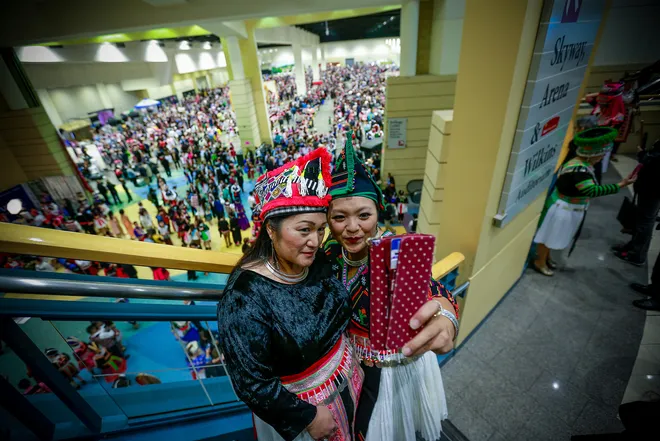
Wisconsin is home to one of the largest Hmong populations in the United States, with vibrant communities across the state including Milwaukee, Wausau, Eau Claire, Green Bay, Sheboygan, and Madison. Since the late 1970s and 1980s, Hmong families have built new lives here, establishing businesses, schools, farms, and community organizations while carrying forward the traditions of their homeland. Today, Wisconsin’s Hmong community continues to grow and thrive, contributing to the cultural, economic, and civic life of the state.
Traditions, Ceremonies & Textile Art
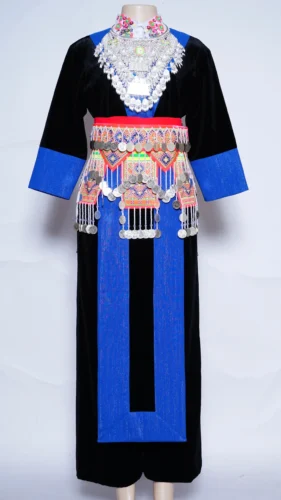
Hmong culture is organized around a system of clans, including Xiong, Yang, Lee, Vang, Thao, Moua, and many others, that shape family structure, identity, and community support. Clan ties remain a vital part of Hmong life, connecting families across generations and geography.
Each year, the Hmong community gathers to celebrate Noj Peb Caug, the Hmong New Year, a time of renewal, family reunion, and cultural pride. Celebrations often include traditional dress, the ball-tossing courtship game pov pob, and the melodies of the qeej, a bamboo pipe instrument central to Hmong music and ceremony.
Hmong textile art, known as paj ntaub or “flower cloth,” is one of the most recognized expressions of Hmong culture. These intricately embroidered and appliquéd designs have traditionally adorned clothing and told stories, including, in more recent decades, story cloths depicting the Hmong journey through war and migration.
Hmong culture is also enriched by two primary linguistic dialects, White Hmong Hmoob Dawb and Green Hmong Hmoob Leeg, both celebrated across our community programming.
To learn more about Hmong marriage customs, spiritual traditions, and cultural programming, visit our Hmong Culture page.